Utrecht's Wharf Cellars in Winter: What Stays Open
 Utrecht's Wharf Cellars in Winter: What Stays Open
A practical guide to which wharf cellars, streets and stations stay open through the colder months, with honest advice on where to stay and what to skip.
The Oudegracht Cellars That Keep Their Doors Open
Utrecht's wharf cellars along the Oudegracht are the city's most distinctive feature, and most stay open year-round. The stretch between the Bakkerbrug and the Maartensbrug is the busiest, with cellar cafes and restaurants that operate through winter. Along the lower wharf level you'll find places like the Oudaen and the Winkel van Sinkel, which keep regular hours. Expect lunch mains around €12–18 and dinner mains €18–28. Note that some smaller cellars close on Mondays and Tuesdays in January and February, so check before you descend the stairs.
The Nieuwegracht and the Drift have quieter cellar venues, often used for art studios or small offices, and these are less reliable in winter. The most consistent cluster is on the Oudegracht between the Stadhuisbrug and the Hamburgerbrug, where the twinkling lights reflect off the canal. If you want a cellar meal without a reservation, aim for a weekday lunch; evenings and weekends require booking. The wharf level is not fully covered, so wear shoes with grip—the brick steps can be slippery after rain or frost.
Winter Hours and What Closes
From November through February, many cellar venues shorten their hours. A typical pattern is 11:00–21:00 Sunday to Thursday, and 11:00–23:00 on Friday and Saturday. A handful close entirely for a week or two after New Year, but this varies by business. Rather than guess, look for the handwritten signs on the upper street level or check the venue's own website. The Utrecht tourist office on the Domplein can also confirm which cellars are open that week. If a cellar is closed, the upper street usually has an alternative within a two-minute walk.
The Vismarkt and the Bezembrug area have a few cellar bars that stay open later, but the atmosphere is quieter than in summer. The wharf terraces are packed away by October, so the seating moves inside. This makes the cellars cosier but also reduces capacity—another reason to book ahead for dinner. If you are travelling with a group of four or more, reserve at least a day in advance. Solo travellers can usually find a spot at the bar.
Getting There and Around in the Cold
Utrecht Centraal is the main arrival point, with direct trains from Amsterdam (30 minutes), Rotterdam (40 minutes) and Schiphol Airport (35 minutes). From the station, it's a 15-minute walk to the Oudegracht, or a short bus ride on routes 2, 12 or 28 to the Domplein stop. Taxis are available outside the station, but the walk is flat and signposted. If you arrive after dark, the route along the Vredenburg and the Lange Viestraat is well lit. A day ticket for the bus costs around €5–7 from the driver.
Once in the centre, everything is walkable. The wharf cellars are accessed by staircases at regular intervals along the Oudegracht—look for the metal railings. In winter, some stairs are closed for maintenance; the city posts detour signs. Cycling is still common, but the cobbles and wharf edges can be treacherous in ice or snow, so consider walking or using the bus. The Utrecht public library on the Oudegracht has public toilets and a warm place to sit if you need a break.
Where to Stay and What to Skip
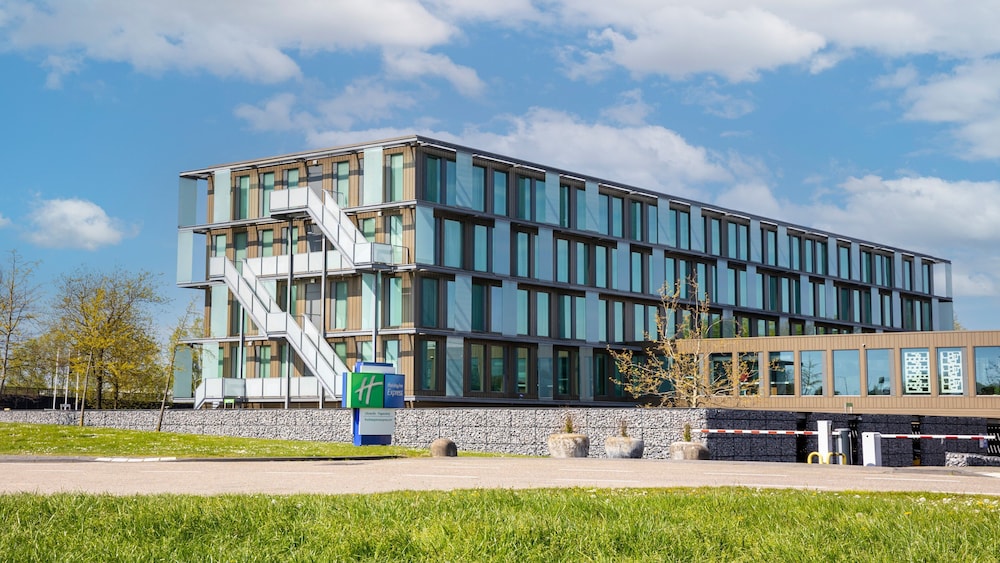
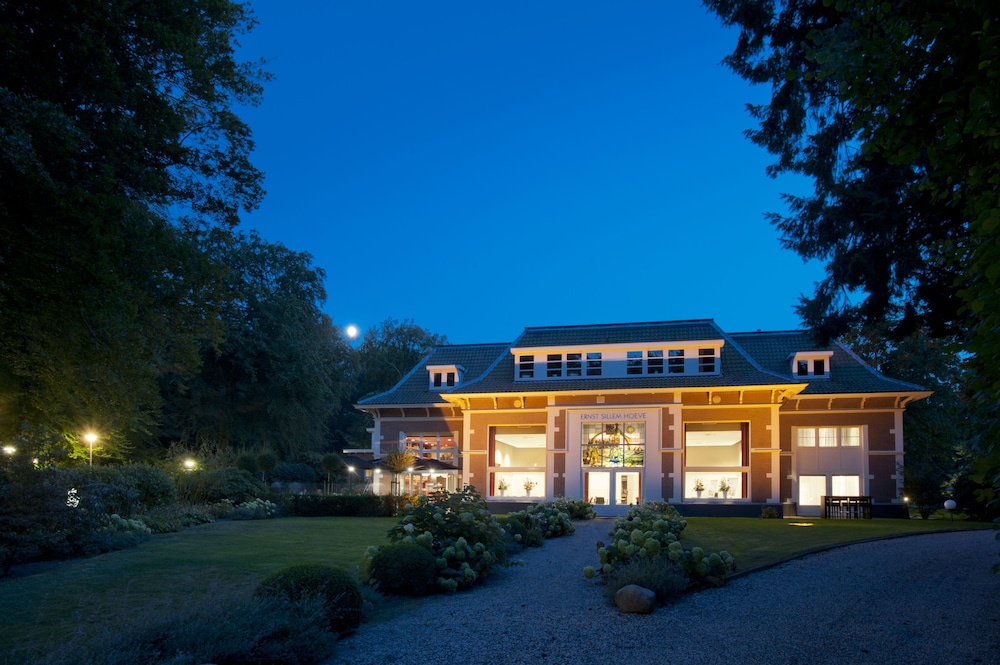
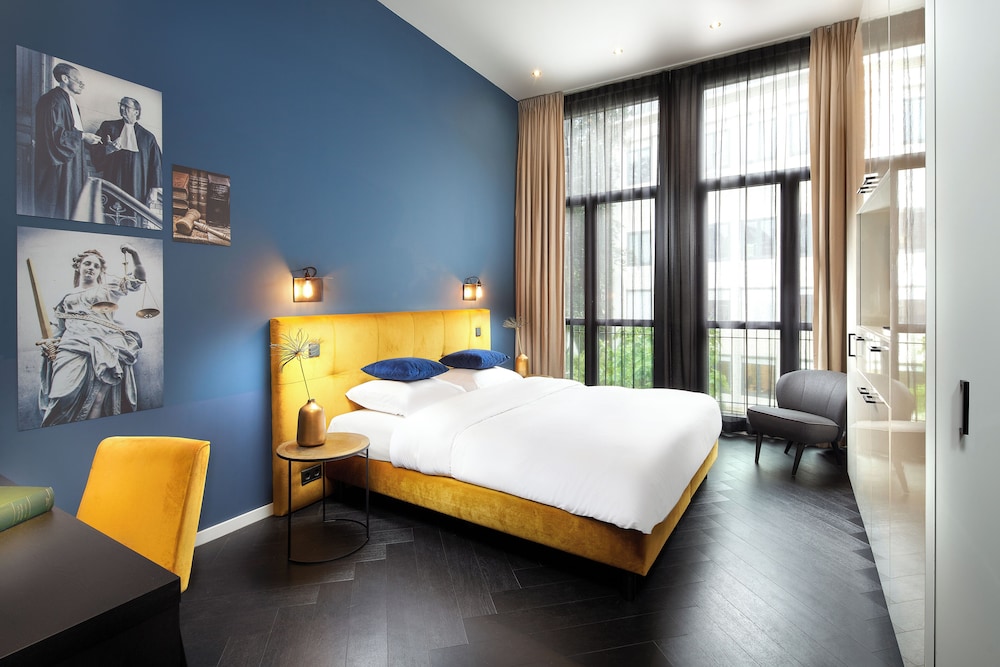
For easy access to the wharf cellars, stay within the singel. The area around the Domplein and the Oudegracht itself has small hotels and bed-and-breakfasts, with winter rates typically €90–150 per night for a double. The neighbourhood of Wijk C, just west of the station, offers quieter streets and is a 10-minute walk to the canals. Avoid hotels on the far side of the ring road if you plan to spend evenings in the cellars—the walk back is dark and less scenic. I would book a place on the Oudegracht or within a five-minute walk of the Dom tower.
Skip the wharf cellars on Monday mornings if you want a full choice—many open later. Also skip the urge to eat at the first cellar you see on the Oudegracht near the Stadhuisbrug; walk five minutes further to the Hamburgerbrug for better value. The cellars on the Nieuwegracht are charming but often closed in winter, so don't plan your evening around them. Instead, use the Oudegracht as your base and explore the side streets like the Lijnmarkt and the Zadelstraat for smaller, open cellar cafes.
Before you book
The questions people ask about Utrecht, answered with this month’s numbers.
Yes, most cellar venues on the Oudegracht are open in December, often with extended holiday hours. Some close on 25 and 26 December, and a few close for a week after New Year. Check individual websites or signs at street level.
It's wise for dinner, especially on weekends. Capacity is reduced because terraces are closed. For lunch on a weekday, you can usually walk in. Groups of four or more should reserve at least a day ahead.
It's a 15-minute walk via the Vredenburg and Lange Viestraat to the Oudegracht. Alternatively, take bus 2, 12 or 28 to the Domplein stop. The walk is flat and well lit in the evening.
Most are, but some may be closed for maintenance. The stairs can be slippery in frost or rain, so wear shoes with good grip. There is no step-free access to the wharf level; the upper street has level access.
The Oudegracht between the Stadhuisbrug and the Hamburgerbrug has the highest concentration of open cellars. The Nieuwegracht is quieter and less reliable in winter. For a lively atmosphere, aim for the Oudegracht on a Friday or Saturday.
Dress in layers, as cellars can be cool and damp. Wear waterproof shoes with grip for the wharf stairs. A warm coat is essential for the walk between venues, as the wharf level is exposed.
Some cellars host small concerts or tastings, but these vary. The Utrecht tourist office on Domplein can provide a current list. Don't expect large festivals; winter is quieter.
Yes, for easy access to the cellars and the Dom. Winter rates are lower than in summer, with doubles often €90–150. Staying within the singel means you can walk everywhere and avoid late-night transport.