Utrecht's Hidden Almshouse Courtyards: A Visitor's Guide
 Utrecht's Hidden Almshouse Courtyards: A Visitor's Guide
Behind Utrecht's canal-front houses lie around twenty medieval almshouse courtyards, most free to enter and almost all missed by day-trippers.
What an almshouse courtyard actually is
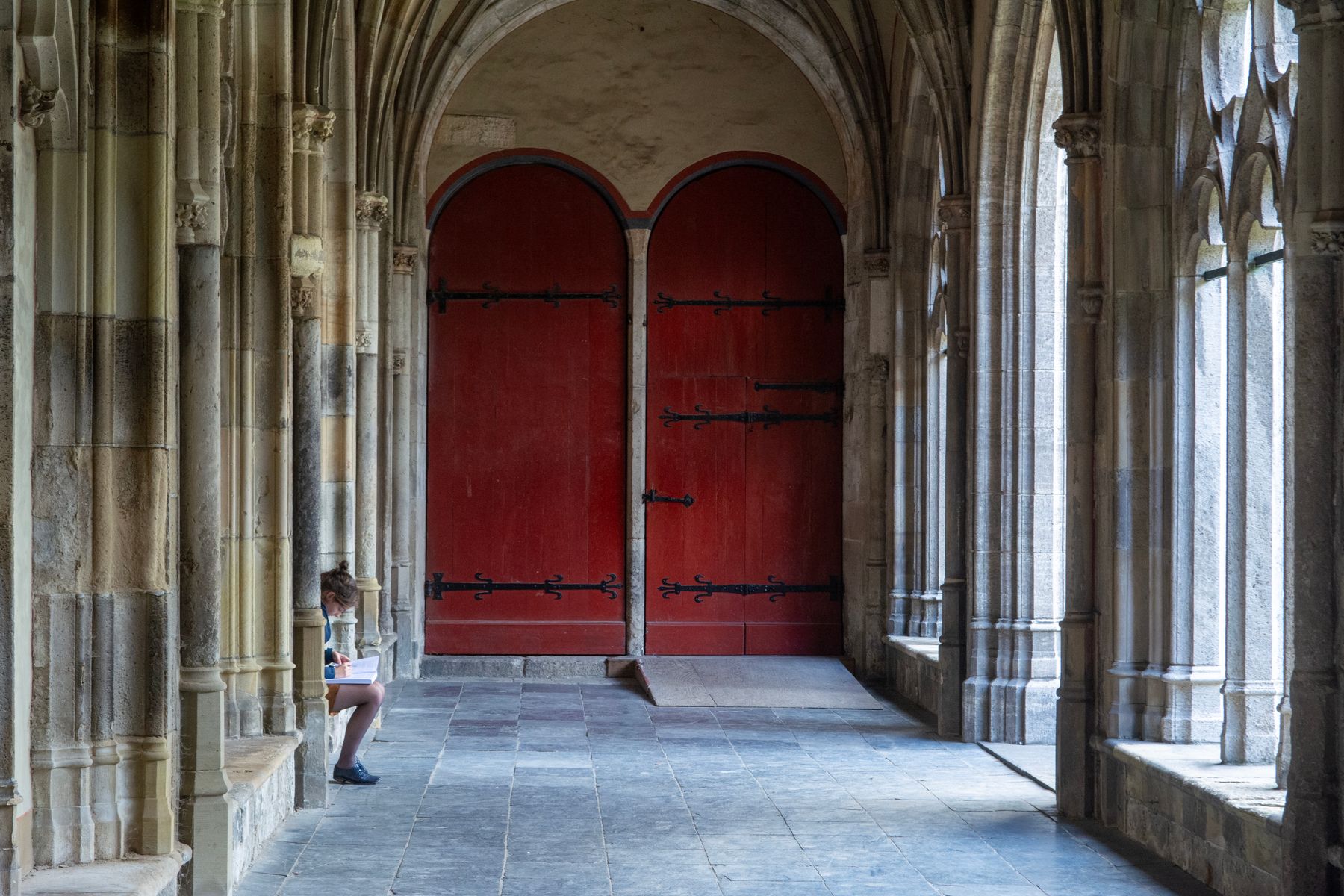
Utrecht's hofjes — almshouse courtyards — were founded from the thirteenth century onward by wealthy citizens and religious guilds as housing for elderly or poor residents, usually women. A gate on an ordinary street opens into a paved or green court ringed by small brick houses, often with a communal pump, a tree and a tiny chapel or regent's room. Around twenty survive inside the singel, the ring of canals that encloses the old city. Many are still occupied, so you are walking through someone's front garden: keep your voice down, close gates and never photograph people at their windows.
The rhythm of a visit is short. A courtyard takes five to ten minutes unless you sit down on a bench, and that is the point: this is not a museum circuit but a series of quiet pauses between canal walks, museum visits and coffee. Entry is free at almost all of them, though several accept a small donation in a box, and a handful open only on weekdays or for a few hours because residents need privacy. Check opening hours at the gate before you push it, and treat a closed gate as a firm no rather than a challenge.
The courtyards clustered around the old centre
Begin north of the Dom. Begijnhof, off the street of the same name near the Nicolaaskerk, is the largest and most photographed: an elongated green court with a fourteenth-century chapel, open on weekdays roughly during daylight hours and closed at weekends. A few minutes east, the Bruntenhof on Nieuwstraat has small gardens and a working pump, and Sint Eloyen Gasthuis near the Buurkerk shows a guild courtyard with a gate that dates from the sixteenth century. Around Nieuwegracht and Oudegracht, the smaller hofjes — Sint Jacobsgasthuis, Van Pallaeshof, De Vrijheid — sit close enough together that you can link three in half an hour of walking.
The western side of the centre holds a second concentration. Het Wed near Mariaplaats, the Kameren Maria van Pallaes on Lange Nieuwstraat and the quiet Kruisvaardershof on Springweg are all within ten minutes of each other and of Utrecht Centraal station. Springweg and the streets around it also offer small cafés, a bookshop and bakery stops, so this is the cluster I would book a hotel near: you can walk to the courtyards, the Dom tower and the Oudegracht wharves in under fifteen minutes from almost anywhere between the station and the singel.
Getting there and timing your walk
Utrecht Centraal is the hub: direct trains run to Amsterdam in about 25 minutes, to Rotterdam in under 40 and to Schiphol in roughly 30, which makes Utrecht easy as a base rather than a day trip. From the station, the old centre is a ten to fifteen-minute walk past Hoog Catharijne and the Vredenburg; trams and buses cover the same ground but the walk is short. A bicycle is the local answer for a wider sweep, with rental shops near the station and the Jaarbeurs side, though the inner courtyards are strictly pedestrian and bikes should be parked outside the gates.
Best months are April to June and September to October: mild, mostly dry, and the courtyards' trees and pots at their best, with the Bloemenmarkt on Janskerkhof a Saturday fixture in season. July and August bring crowds to the Oudegracht but rarely to the hofjes. Winter is atmospheric but many gates close earlier, and some courtyards shut entirely for weeks around the new year. A weekday morning between ten and twelve is the ideal window: residents are out, chapels and regent's rooms are likely to be open, and you will often have a whole court to yourself.
Being a good guest, and where to stay
These are private gardens with public generosity attached, so simple rules apply. Do not cycle through gates, do not picnic on the grass, do not enter houses or photograph through windows, and keep children close and quiet. Several courtyards display an information board in Dutch, sometimes with English, explaining who founded them and when; read it, because it changes what you see from a patch of green into a five-hundred-year-old act of charity. Small donations in the boxes go towards maintenance, and that is a better use of two euros than most souvenirs on the Oudegracht.
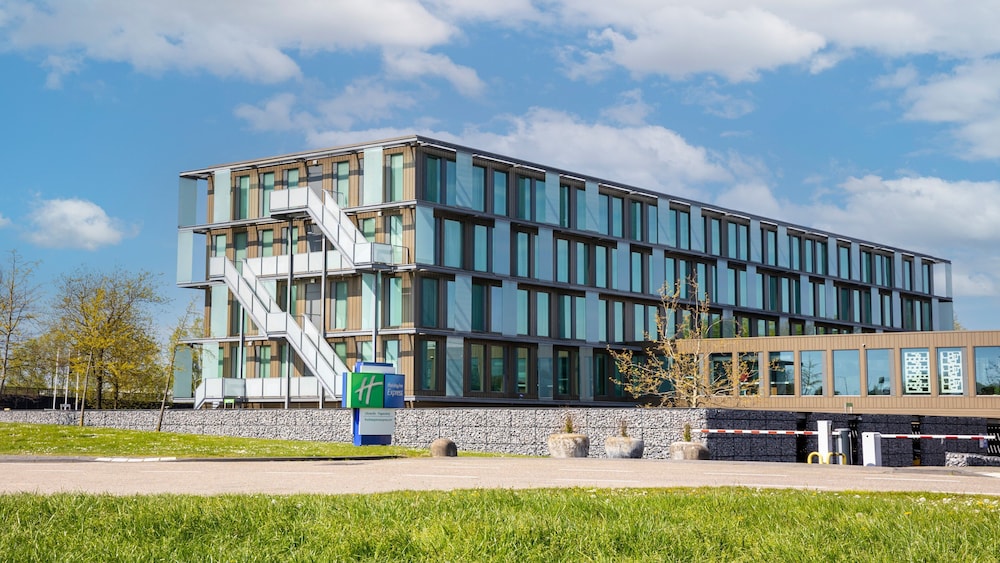
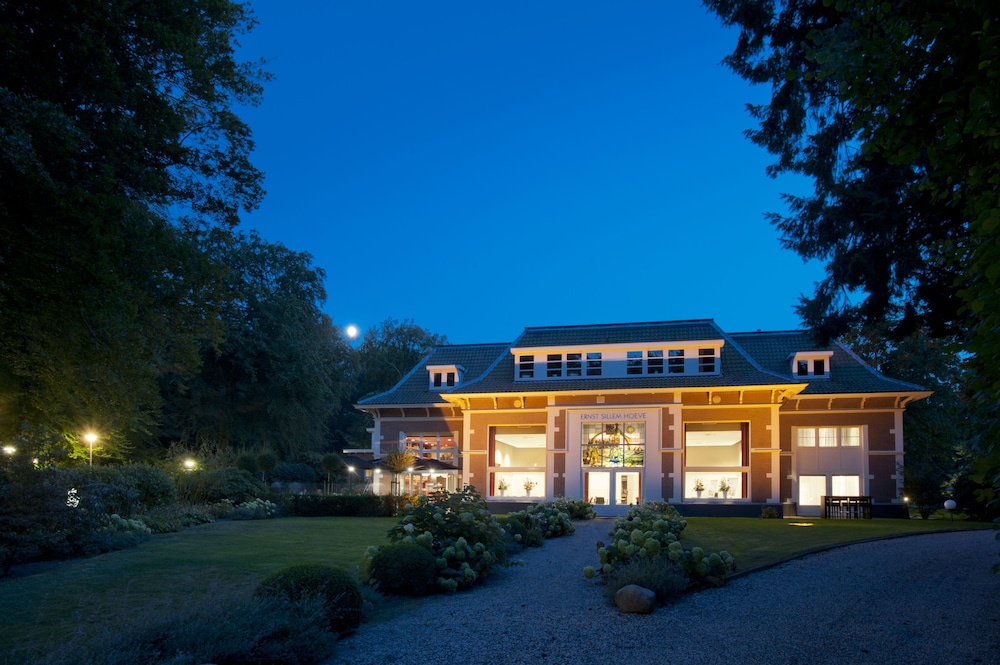
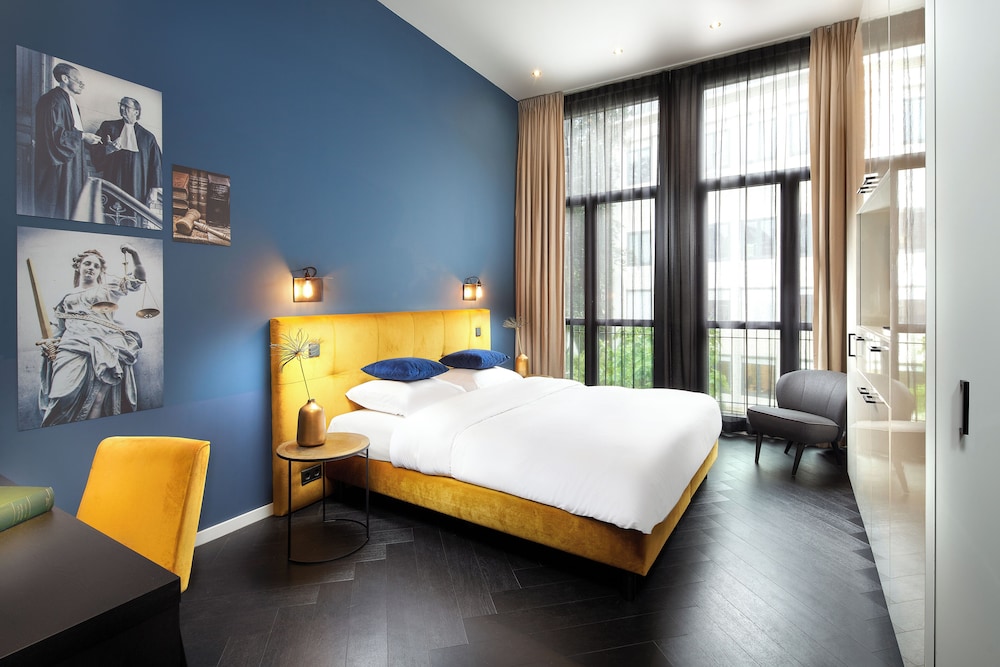
For a hotel, I would choose the area between Utrecht Centraal and the singel, or the streets around Mariaplaats and Springweg, rather than the eastern museum quarter. That puts the western courtyard cluster on your doorstep, the Dom and Oudegracht within a short walk, and the station within reach for day trips to Amersfoort or the Kromme Rijn. Book well ahead for April weekends and the September concert season at TivoliVredenburg; midweek rates in the city are usually kinder, and breakfast in the hotel saves time before a morning of courtyard-visiting.
Before you book
The questions people ask about Utrecht, answered with this month’s numbers.
Almost all are free. A few keep a donation box by the gate, typically for maintenance of the garden or chapel, and a couple charge a euro or two for a chapel visit. Treat any closed gate or 'besloten' sign as final — many courtyards are weekday-only because residents need privacy at weekends.
Begijnhof off the street of the same name, near the Nicolaaskerk, is the largest and most rewarding, with a chapel and a long green court. From there walk five minutes to Bruntenhof on Nieuwstraat and, if you have time, to Sint Eloyen Gasthuis near the Buurkerk.
The nearest, such as Het Wed near Mariaplaats and the Kameren Maria van Pallaes on Lange Nieuwstraat, are 10 to 15 minutes on foot from the station exit, past Hoog Catharijne and the Vredenburg. The Begijnhof and Bruntenhof cluster adds another 10 minutes of walking northeast.
Most open on weekdays during daylight, roughly 10am to 4pm, and close at weekends; a handful open daily. Weekday mornings are quietest and most likely to find chapels or regent's rooms unlocked. Saturday courtyards open despite the market crowds at Janskerkhof are the busiest.
Photograph the architecture and gardens if you wish, but never residents, and never through windows. Picnics are not appropriate — these are people's front gardens. Keep voices low, close gates behind you, and leave pushchairs and bicycles outside, as many gates are narrow.
Stay between Utrecht Centraal and the singel, or around Mariaplaats and Springweg. That puts the western courtyards within a short walk, plus the Dom, the Oudegracht wharves and the station for day trips. Midweek rates are generally gentler than Friday and Saturday nights.
April to June and September to October offer mild weather, and the courtyards' planting is at its best. July and August are warm but busy on the canals. November to February is atmospheric, though some gates close earlier and a few courtyards shut entirely around the new year.
Yes, easily. Paired with the Dom tower, the Oudegracht werf cellars and Museum Catharijneconvent, a courtyard walk fits into a single morning. Allow two hours for a half-dozen courtyards, and add a coffee stop on Springweg or Oudegracht rather than rushing between gates.