Utrecht in Fog and Frost: Winter Walks by the Canal
 Utrecht in Fog and Frost: Winter Walks by the Canal
Mist on the Oudegracht, frost on the wharf cellars and a city that empties out after dark — how to walk Utrecht in the cold months and where to base yourself.
The Oudegracht in mist: the walk to start with
Begin at Ledig Erf and walk north along the Oudegracht, the canal that runs through the old centre from the Vaartsche Rijn to the Weerdsingel. On a still January morning fog sits in the channel and the wharf level — the lower street where the old cellars open onto the water — disappears first, so you see bridge arches above and nothing below. The walk to the Dom tower is about 1.5 kilometres and takes forty minutes at a slow winter pace; the cobbles at the wharf level stay slick until midday, so stay on the upper street until the sun has been up a while.
Frost changes the route. The barges moored between the sluices at Bemuurde Weerd hold ice on their covers, and the canal edges freeze first where the trees shade them. Café terraces at the wharf level are closed from November to March, which makes the lower level quiet and slightly eerie, and good for photographs before nine. If you have only one morning, do this stretch rather than the Singel ring; the Oudegracht has the cellars, the bridges and the mist, and the ring road is faster and more open.
Singel, Lepelenburg and the quiet eastern side
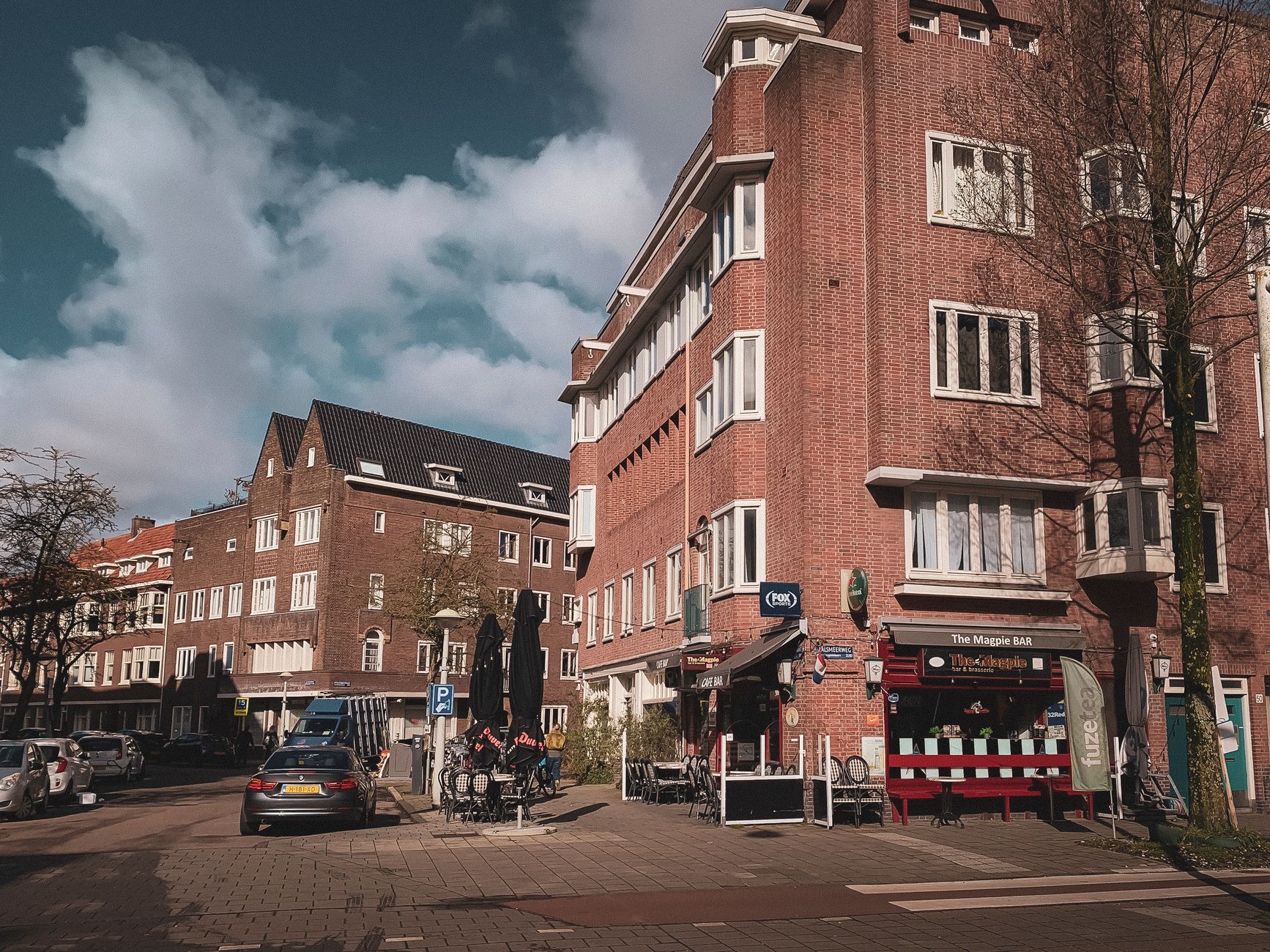
Cross at the Maarten van Rossemsingel and follow the Singel east to Lepelenburg park. The old city wall line is a green ring here, and on a freezing morning the grass crunches and the water outside the moat carries a thin skin of ice. From Lepelenburg to the Sonnenborgh observatory is roughly a kilometre, and the observatory mound gives the best view back over the rooftops when the fog lifts. The streets behind — Wittevrouwenstraat, Bollenhofstraat — are residential, quiet and lined with small cafés that open at eight and fill quickly with locals escaping the cold.
The eastern side is where I would send anyone who wants frost rather than crowds. Wilhelminapark, twenty minutes' walk from Lepelenburg, is the city's best cold-weather park: old trees, open lawns that hold frost until late, and the Kromme Rijn nearby. It is not a spectacle. It is a place to walk slowly for an hour and then find coffee. Skip the Singel at night in December unless you are dressed for wind off the water — the ring is exposed and the bridges are icy.
Weather windows, distances and what to skip
Utrecht's coldest stretch is usually mid-December to late February, with morning temperatures often around freezing and fog most common in still, clear spells after rain. Daylight is short: sunset falls before five in December and January, so plan a long morning walk and an indoor afternoon. The Dom tower climb is not the thing to do in fog — you pay for a view you will not get — and the flower market on Janskerkhof is thin in winter. What works in the cold is the Centraal Museum, the railway museum at Maliebaan, and the covered arcades along the Oudegracht where the wind cannot reach you.
Getting around is easy on foot, and that matters for a short winter trip. Utrecht Centraal is the hub: from the station to the Dom is a fifteen-minute walk, and buses and trams run from the Jaarbeursplein side for the outer districts. If you arrive by car, parking in the centre is expensive and the garages fill on Saturdays; the P+R at Westraven and Papendorp connects by tram. Budget roughly 120 to 180 euros a night for a mid-range double in the centre in winter, less on weekdays in January, and book a place between the station and the Oudegracht so you are never more than ten minutes from warmth.
Where to stay for a frosty weekend
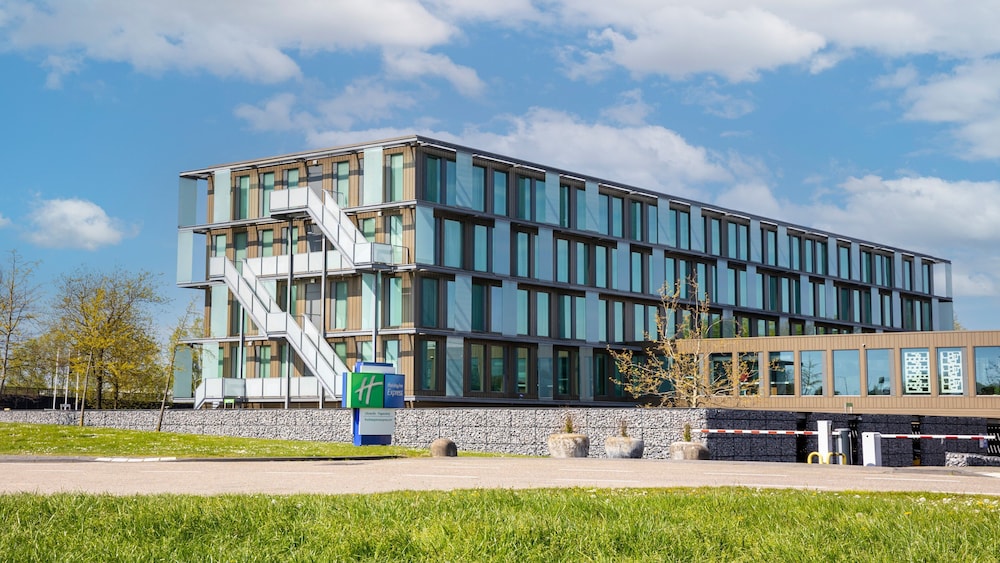
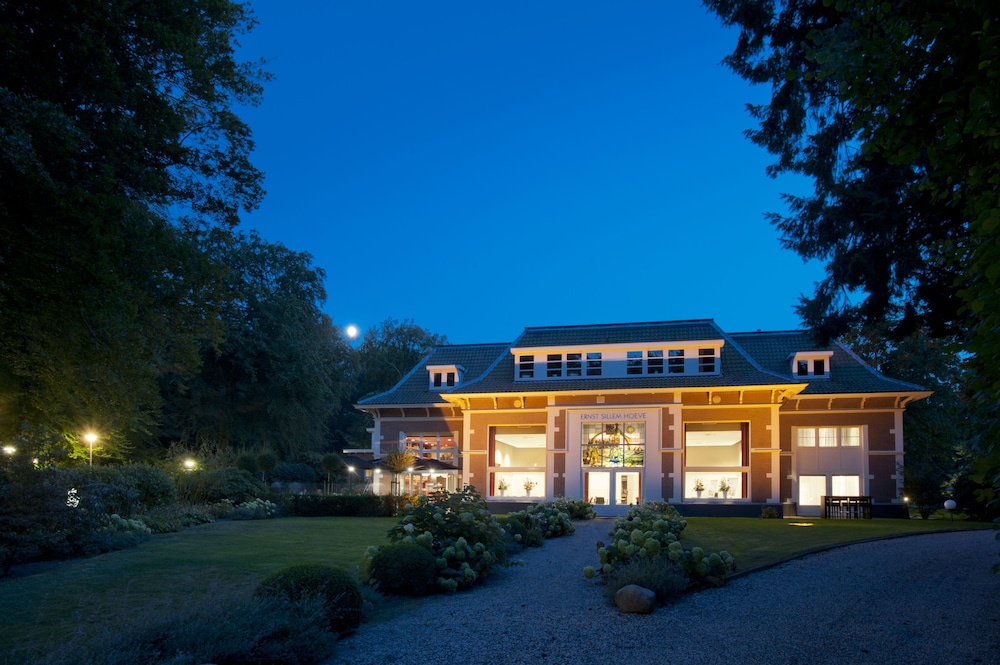
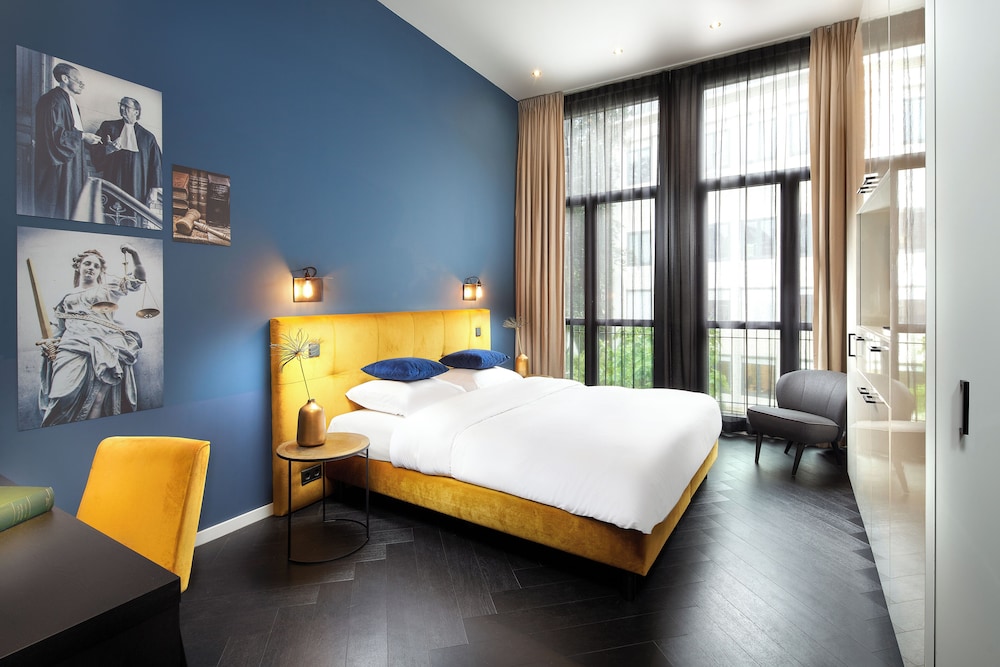
For a two-night winter visit I would book in the Museumkwartier or around Lange Nieuwstraat, on the eastern side of the centre. You are five minutes from the Oudegracht, ten from Lepelenburg and Wilhelminapark, and you avoid the loudest Saturday-night streets around Neude. Hotels here are small and often in converted townhouses; rooms at the back are quieter and usually cheaper, and ask about heating, because some older buildings are draughty in a way that a Dutch February will find out.
If you are arriving by train and leaving early, the streets between Centraal and Vredenburg are more practical than romantic: chain hotels, reliable heating, a five-minute walk to the platforms. That is the trade — convenience over character. Avoid anything on the Oudegracht wharf level itself in winter; the cellars are atmospheric but damp and the steps ice over. Whichever you pick, book direct on the site, check the cancellation terms for weather, and keep the first evening short — the city in fog is best met on foot at eight in the morning, not at ten at night.
Before you book
The questions people ask about Utrecht, answered with this month’s numbers.
Still, clear mornings between December and February, often after overnight rain. Fog usually lifts by mid-morning. Early walks along the Oudegracht around eight give the best chance of mist over the water.
Yes, the historic centre is compact and flat. The Dom to Lepelenburg is under two kilometres. Watch the wharf-level cobbles and bridge steps, which stay icy longer than the upper streets, and plan indoor stops.
The Museumkwartier and Lange Nieuwstraat area suits walkers: quiet, central and close to the canal. Near Centraal is better for early trains. Expect roughly 120 to 180 euros a night for a mid-range double, less midweek in January.