Four Days in Wilhelminapark, Utrecht: What to See
 Four Days in Wilhelminapark, Utrecht: What to See
A local's guide to Utrecht's leafy Wilhelminapark neighbourhood, with concrete advice on parks, museums, streets and day trips.
The Park and Its Surroundings
Wilhelminapark is Utrecht's oldest public park, laid out in the 1890s between the city centre and the eastern suburbs. It is a compact rectangle of ponds, winding paths and mature trees, bordered by Wilhelminapark street to the north and Burgemeester Reigerstraat to the south. The park itself needs no ticket and is open year-round. Early morning is best for a quiet stroll; by afternoon on sunny weekends it fills with picnicking families and students. The surrounding streets, including Koningslaan, Emmalaan and Prins Hendriklaan, are lined with handsome villas and townhouses built between 1890 and 1910. Allow an hour to walk the park and a couple of adjacent blocks.
Several landmarks cluster within a few minutes' walk. The University of Utrecht's Botanic Gardens sit at the eastern edge on Budapestlaan, though the main entrance is off Princetonlaan; the garden has a tropical greenhouse and a rock garden and is open daily except Mondays, with an admission fee of around €10 for adults. The Netherlands' oldest cinema, 't Hoogt, is not here but in the city centre; do not confuse it with the small film theatre on Burgemeester Reigerstraat. For architecture, note the Wilhelmina Church on Wilhelminapark street, a neo-Gothic brick church from 1894. The area is best explored on foot; streets are narrow and parking is limited and paid.
Museums and Culture Within Walking Distance
The neighbourhood's main cultural draw is the Centraal Museum, about 1.5 kilometres west via Nobelstraat. It holds the world's largest collection of Gerrit Rietveld designs, including the Rietveld Schröder House (a UNESCO site), plus fashion and old masters. Allow three hours; admission is about €17.50 for adults. Closer to Wilhelminapark, the Utrecht Archives on Hamburgerstraat is free and worth a quick look for local history. The Museum Catharijneconvent, in a former monastery on Lange Nieuwstraat, displays religious art and is about a 20-minute walk. For something smaller, the Museum voor het Kruideniersbedrijf (a grocery trade museum) on Oudegracht is quirky and cheap, but check opening hours as it is volunteer-run.
If you have children, the Spoorwegmuseum (Railway Museum) is a 15-minute drive east in the Maliebaan station area; it is excellent but busy in school holidays. The Dick Bruna Huis, dedicated to the creator of Miffy, is central on Agnietenstraat and takes about an hour. Book museum tickets online to skip queues, especially for the Centraal Museum and the Rietveld Schröder House, which runs timed slots and often sells out. I would prioritise the Centraal Museum and the Rietveld Schröder House; skip the Railway Museum unless you have young children or a rainy day. Most museums are closed on Mondays, so plan accordingly.
Eating, Drinking and Everyday Practicalities
Burgemeester Reigerstraat and the adjoining streets form a low-key dining strip. For Dutch pancakes, try the small café on Reigerstraat near the park's southern gate; expect around €10–15 for a main. For a sit-down dinner, the restaurants along the street serve Italian, French and modern Dutch menus, with mains mostly €18–28. There is a small supermarket (Albert Heijn) on Burgemeester Reigerstraat for picnic supplies; the park has benches and grassy spots. Coffee culture is strong: several cafés on Reigerstraat and Nachtegaalstraat (10 minutes' walk south) roast locally. Note that many kitchens close by 21:00 on weekdays; weekends are livelier.
Getting around is easy. The park is a 20-minute walk from Utrecht Centraal station, or a 10-minute bus ride on lines 8 or 12. Buses run frequently until around midnight. Cycling is the local way: rental shops near the station charge about €10–15 per day. Taxis from the station cost roughly €15–20. If you arrive by car, use the paid car park under the Wilhelminapark; rates are around €3–4 per hour. The neighbourhood is safe and quiet at night, but do watch for cyclists on the bike paths. Best months to visit are May–June and September; July–August can be crowded, and winter is quiet but often grey and wet.
Day Trips and Where to Stay
Wilhelminapark makes a good base for short trips. The Dom Tower and the Oudegracht canal are a 25-minute walk or 10-minute cycle west. For a half-day out, take the train from Utrecht Centraal to Amersfoort (15 minutes, frequent service) to see the well-preserved medieval centre. Closer, De Haar Castle near Haarzuilens is a 25-minute drive or a bus ride from Utrecht Centraal (line 111, about 40 minutes); the castle and gardens are open daily except Mondays, admission about €17. For a quiet afternoon, the Rhijnauwen estate south-east of the city has riverside walks and a pancake house; it is a 15-minute cycle from the park. Skip the tourist-heavy canal cruises if you are short on time; walking the Oudegracht wharves is free and more atmospheric.
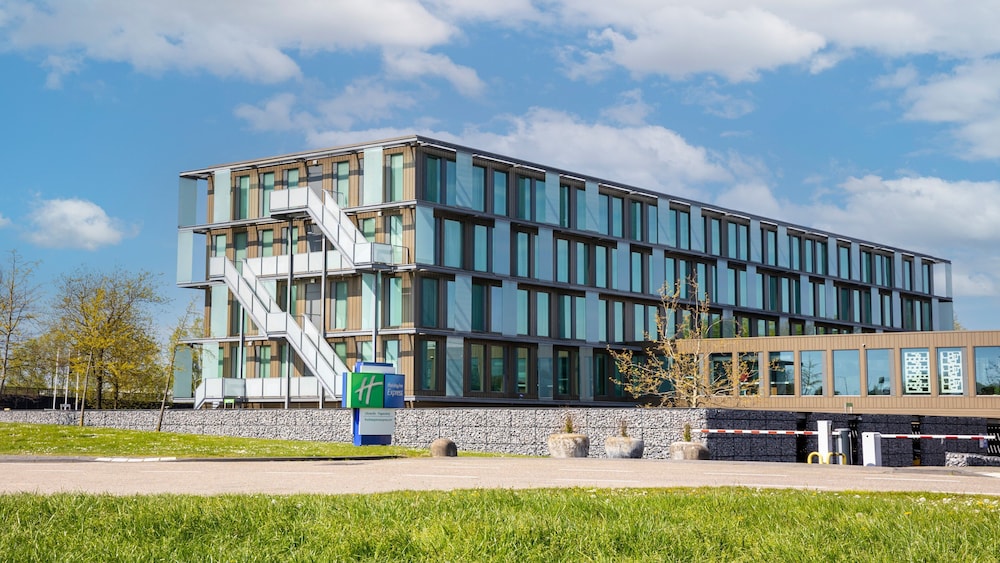
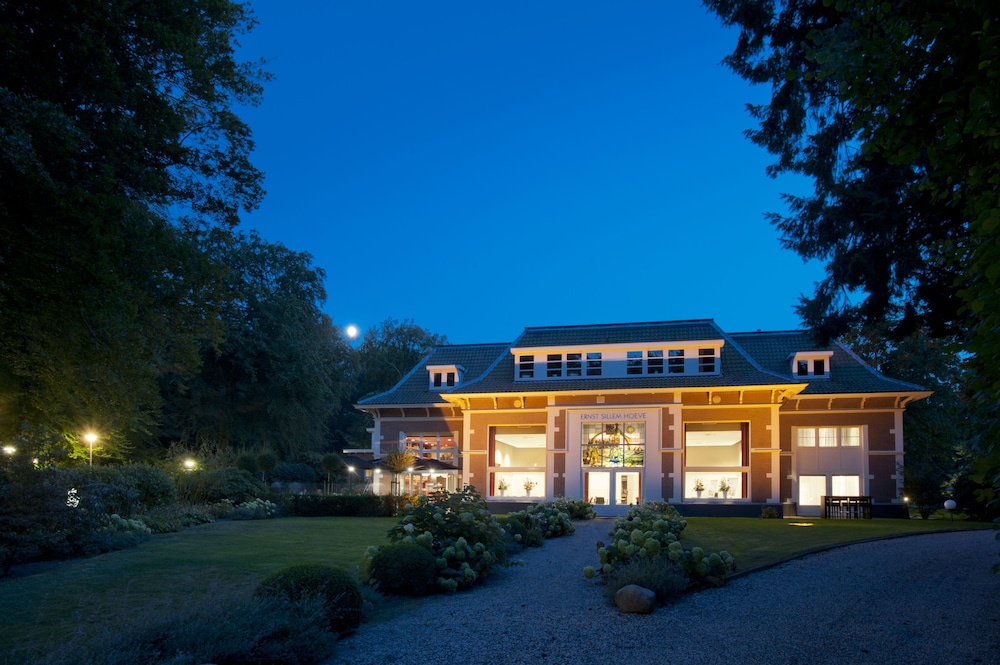
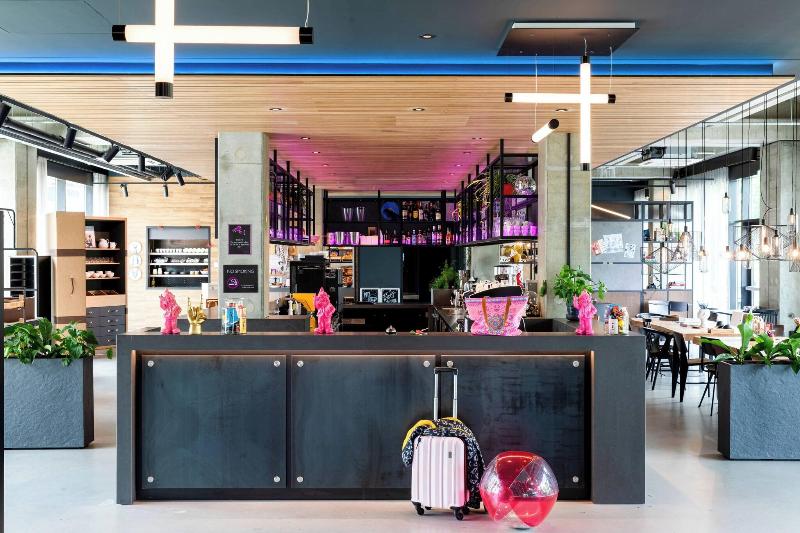
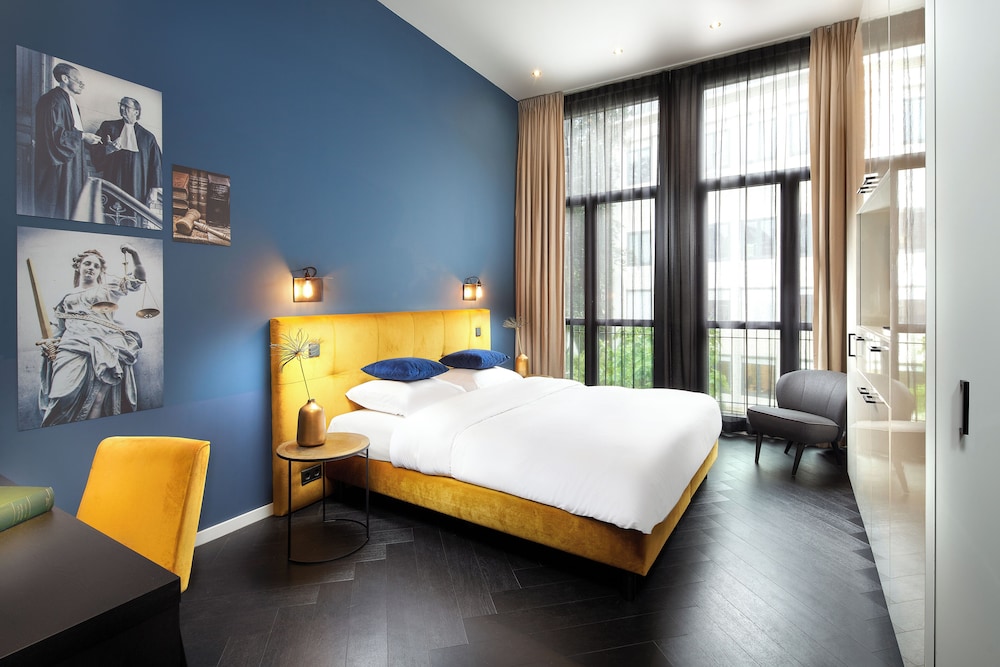
For accommodation, the neighbourhood has a handful of small hotels and bed-and-breakfasts in the villa streets, typically priced €100–180 per night for a double. These book up quickly in spring and autumn, so reserve early. The nearby streets are residential and quiet at night, which suits light sleepers. If you prefer more choice, the city centre has larger hotels, but you will trade tranquillity for convenience. I would book a small hotel on or near Burgemeester Reigerstraat for the park access and local feel, and use the savings on museum entries. The Utrecht region is compact; staying here puts you within 30 minutes of most sights.
Before you book
The questions people ask about Utrecht, answered with this month’s numbers.
It is a 20-minute walk south-east via Nobelstraat and Burgemeester Reigerstraat, or a 10-minute bus ride on lines 8 or 12. Buses run every 10–15 minutes until about midnight. A taxi takes 5–10 minutes and costs around €15–20.
May, June and September offer mild weather and fewer crowds. July and August are busiest, especially on weekends. Winter is quiet but often grey and wet, with temperatures around 2–7°C. The park is open year-round and free.
Yes, the park itself is free and open 24 hours. Nearby attractions like the Botanic Gardens and Centraal Museum charge admission (around €10 and €17.50 respectively). Some smaller museums are free or cheap.
There is a paid underground car park under the park, costing about €3–4 per hour. Street parking in the surrounding area is also paid and often full. Public transport or cycling is easier.
Yes, Burgemeester Reigerstraat has a range of cafés and restaurants serving Dutch, Italian and French cuisine. Mains are typically €15–28. Many kitchens close by 21:00 on weekdays, so dine earlier.
The park itself is great for running and picnics. The Railway Museum (Spoorwegmuseum) is a 15-minute drive and popular with children. The Dick Bruna Huis in the centre is also a hit. Book tickets online to avoid queues.
Absolutely. The park is well-served by buses and is a pleasant walk or cycle from the centre. Cycling is the best way to explore; rentals are available near the station for about €10–15 per day.
Skip the tourist-heavy canal cruises if you are short on time; walking the Oudegracht wharves is free and more atmospheric. Also, avoid the Railway Museum unless you have children, as it can be crowded and pricey.