A Slow Sunday in Utrecht: Open Streets and Quiet Canals
 A Slow Sunday in Utrecht: Open Streets and Quiet Canals
Sunday in Utrecht is when the city exhales: shops stay shut, the wharves fill with walkers, and the canals belong to anyone moving slowly.
Start at the wharves before the terraces do
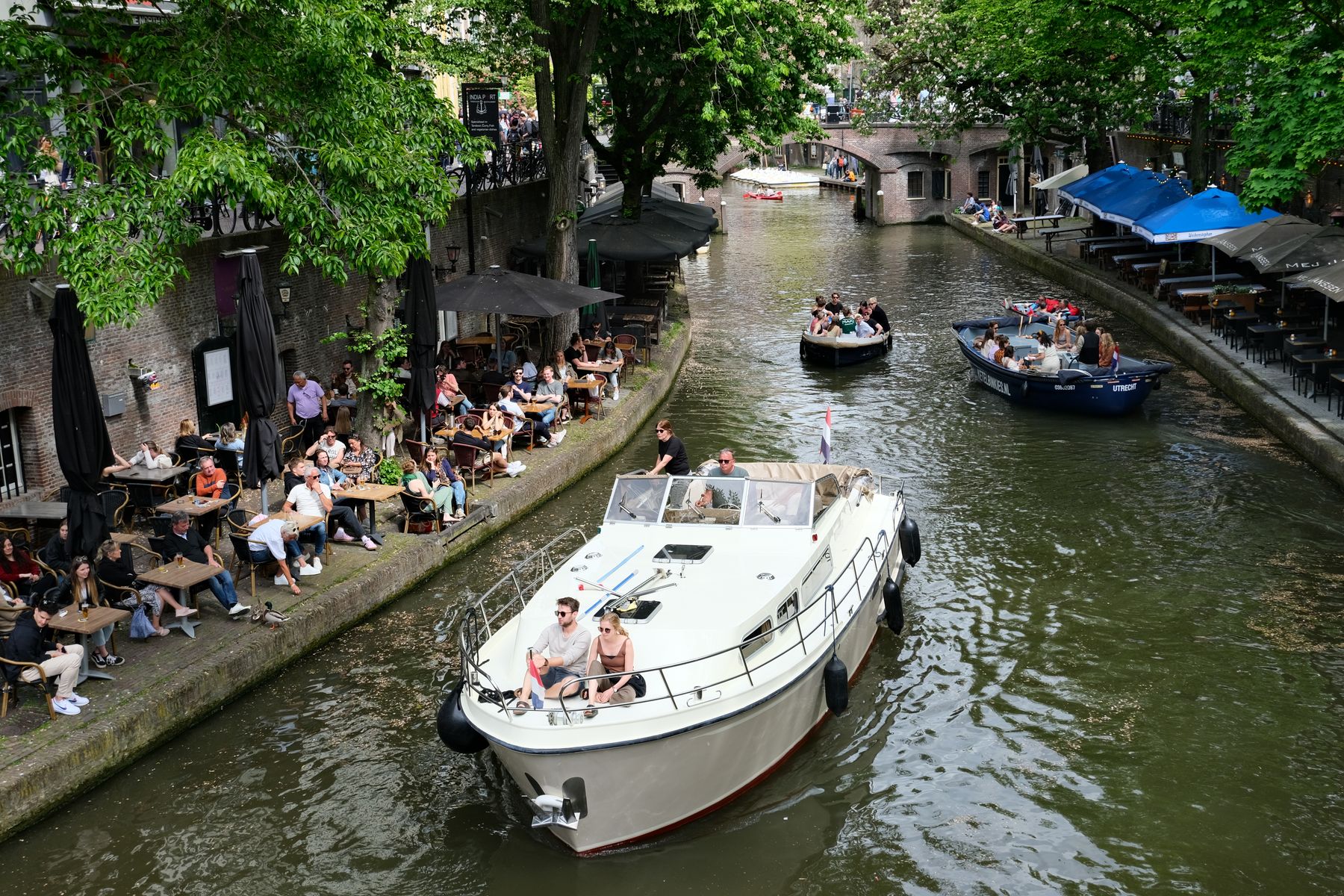
Sunday morning is the one time the Oudegracht wharf level feels like a street rather than a queue. The werfkelders — the old warehouse cellars built into the canal walls — sit at water level behind brick arches, and from around nine the only company is dog walkers and the occasional rower. Walk the stretch between the Bakkerbrug and the Gaardbrug, then climb the steps near the Stadhuis. Coffee places along the wharf tend to open later on Sundays, often around ten or eleven, so bring water and treat the first espresso as a reward rather than the plan.
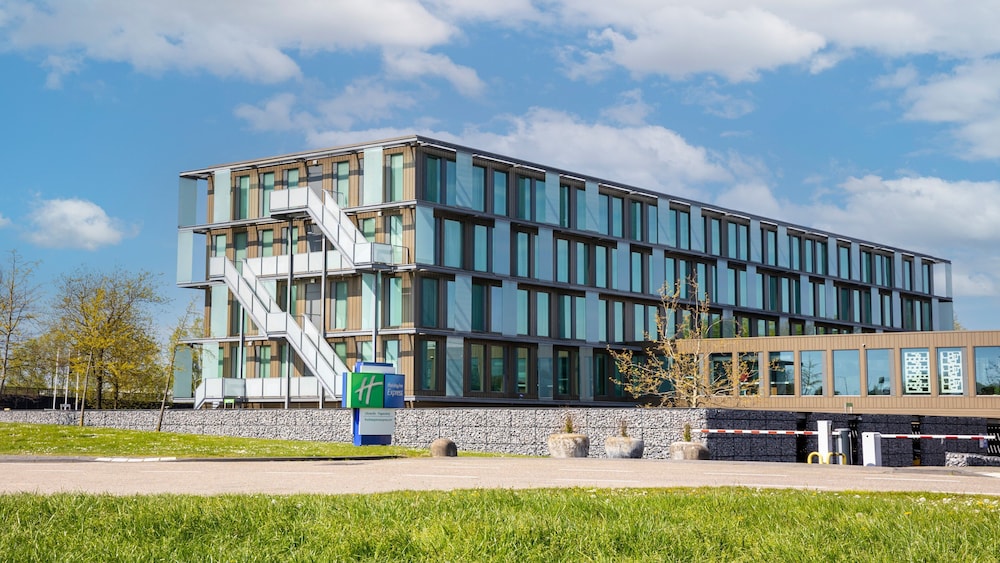
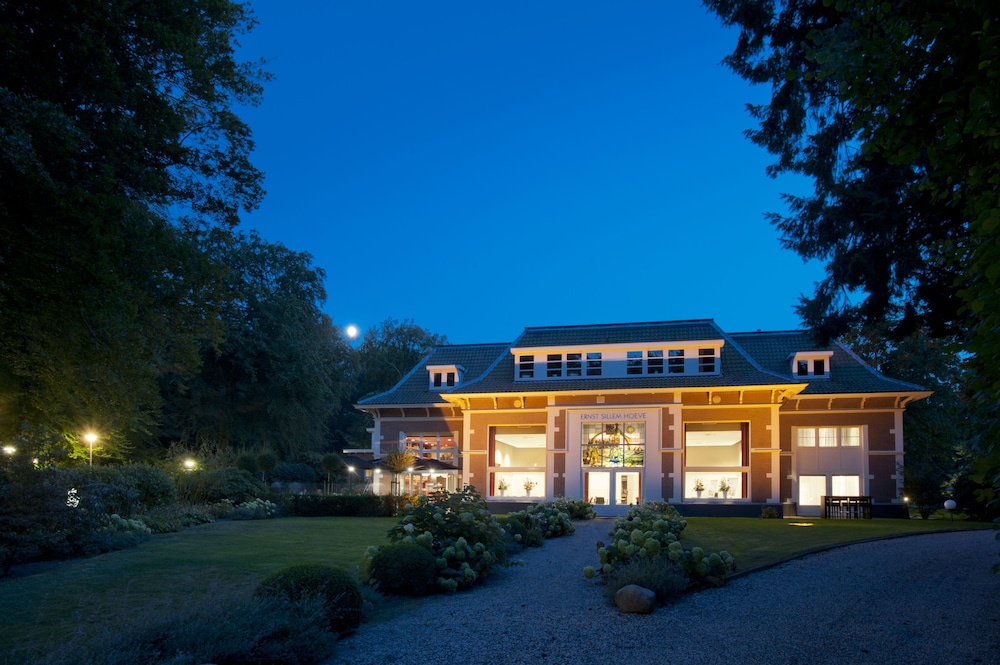
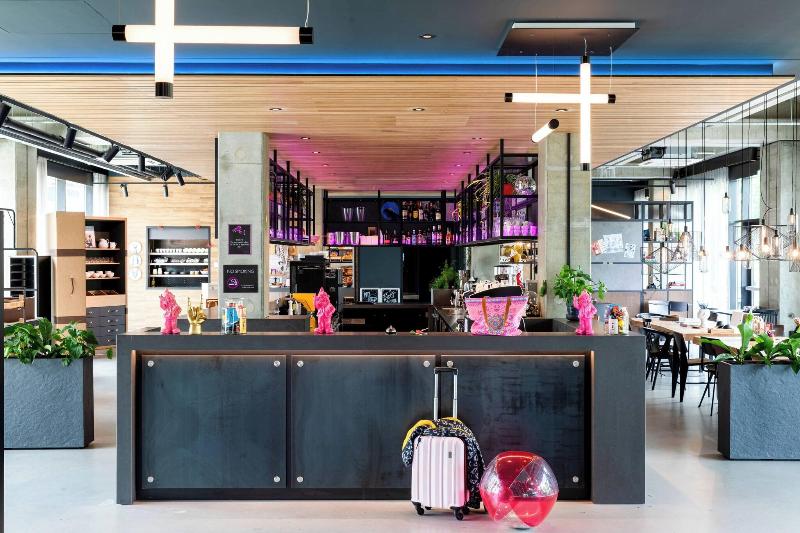
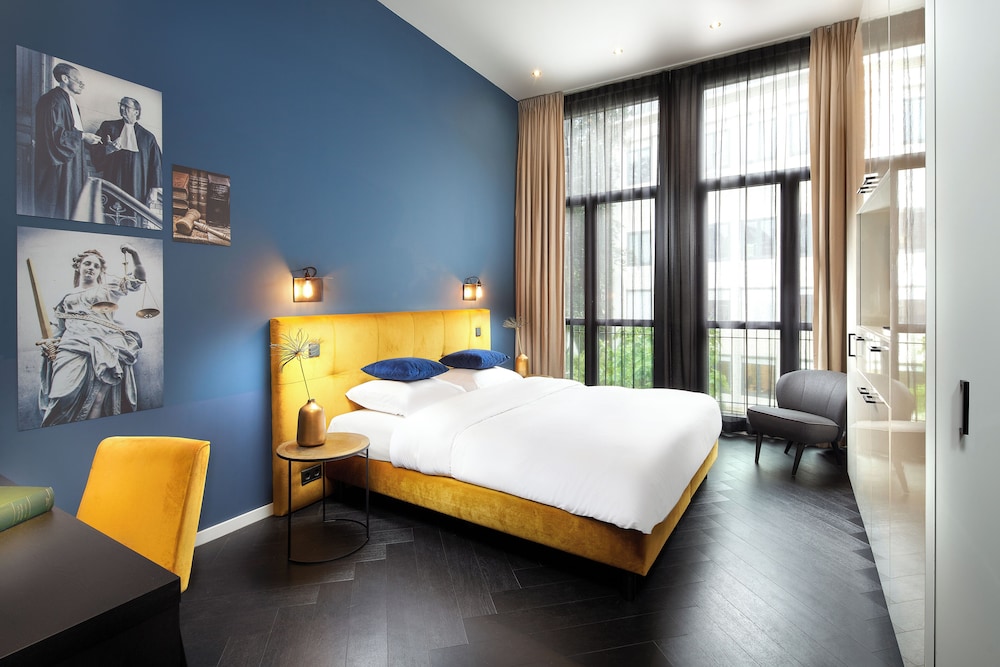
The museum cluster at the northern end is the practical anchor. The Centraal Museum on Agnietenstraat opens at eleven on Sundays and holds the Rietveld Schröder House drawings alongside the city's own collection; the Miffy Museum next door is a separate ticket and needs booking ahead. Between the two sits the Nicolaaskerk and the low streets of the museum quarter, quiet enough to hear bicycles freewheeling. If you are staying over, hotels close to the museum quarter or around Neude let you walk to all of this in ten minutes and skip Sunday bus timetables entirely.
Cross the singel and let the centre go quiet
By early afternoon the Oudegracht terraces are full, so take the hint and move outwards. The singel ring that traces the old city walls is a continuous four-kilometre walk, broken by bridges and moored houseboats, and on Sundays it is largely locals. The stretch past the Zocherpark, the wooded park laid out in the nineteenth century, is the calmest, and the Sonnenborgh observatory on its edge opens on Sunday afternoons for a modest entry fee — check the day before, because hours shift with the season.
Cut back in through the Transwijk side or via the Ledig Erf, where the Vredenburg and Twijnstraat meet. Sunday trading in Utrecht is limited: most shops in the centre stay closed, the weekly market on Vredenburg runs on Saturday, and the flower market on Janskerkhof is a Saturday fixture too. That closure is the gift. Streets such as the Lange Nieuwstraat and the Nieuwegracht that are shoulder-to-shoulder on a weekday open up completely, and you can walk the length of a canal without stepping off the cobbles.
Dom tower, Domplein and the afternoon drift
The Dom Tower dominates the skyline and can be climbed, but Sunday slots are finite and popular in spring and summer, so book online rather than turning up. The tower stands detached from the cathedral since a storm in 1674 brought down the nave, and the Domplein that fills the gap is one of the few squares in the Netherlands that feels genuinely spacious. Below it, the Pandhof garden beside the cathedral is free, enclosed and usually empty in the early afternoon — a good place to sit when the wind picks up.
From Domplein, drift north to the Oudegracht's widest bend or west to the Vredenburg music centre, which often programmes Sunday matinees; the box office is the reliable source for what is on. Around four, the light drops and the wharf cafes start filling for early dinners. Book a table if you want one on the water, since Sunday diners in Utrecht start early and the best-placed terraces along the Oudegracht are gone by six. The city is compact enough that wherever you sleep in the ring, you are walking home in twenty minutes.
Where to stay, what to skip, when to come
For a slow Sunday, stay inside the singel. Around Neude and Janskerkhof you are central and close to the museum quarter; near Ledig Erf you get the Twijnstraat and a quieter evening; by Centraal Station you trade charm for the easiest arrival and the fastest route out on Monday. Expect mid-range doubles in the centre to sit in a broad band that climbs sharply in spring and around the city's larger events, and book direct where you can. Budget travellers should look at the hostels near the station rather than the edges of the ring.
Skip the Saturday-day-trip instinct — Utrecht on a Sunday rewards staying put. Two things worth knowing: many restaurants close their kitchens early on Sunday, and public transport runs a Sunday timetable, so a trip out to De Haar Castle or Amelisweerd needs checking rather than assuming. April to June and September are the sweet spots: mild, long daylight, and the wharves usable without a coat. July and August bring crowds and heat to the terraces; November is quiet but the canal walks get raw.
Before you book
The questions people ask about Utrecht, answered with this month’s numbers.
Most shops in the city centre stay closed or open only from midday, and the Vredenburg and Janskerkhof markets are Saturday events. Plan Sunday around walking, museums and eating rather than retail, and check individual opening hours the day before.
Yes, particularly from April to September, when Sunday slots fill. Book online for a timed entry rather than arriving at Domplein hoping for a place, and allow about an hour for the climb and the view.
Inside the singel. Neude and Janskerkhof put you near the museum quarter, Ledig Erf gives you the Twijnstraat and a calmer evening, and Centraal Station is the practical choice for an early Monday departure. All are walkable to the wharves.